Unlocking the Secrets of Vintage Vino: A Journey Through the Art of Winemaking
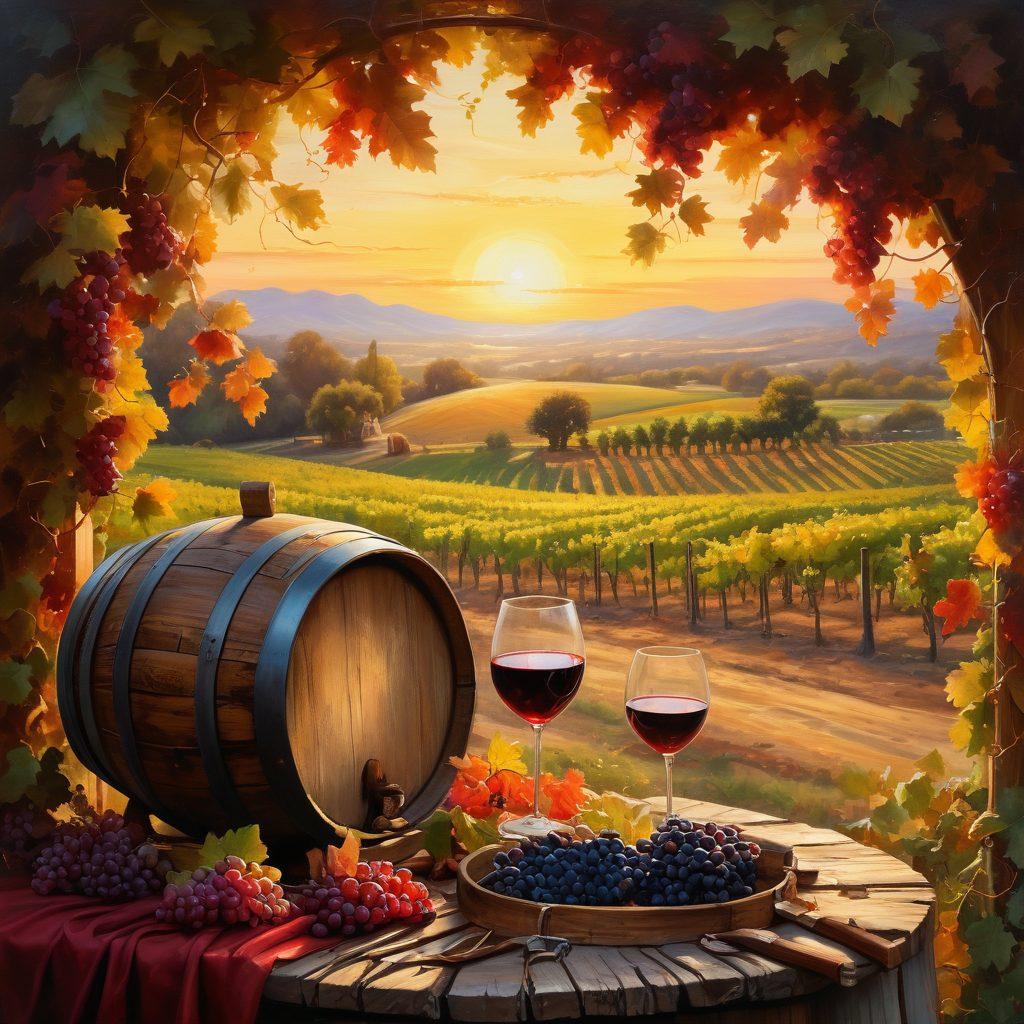
Imagine standing in a sun-drenched vineyard, the air rich with the aroma of ripening grapes. This is the essence of terroir, the distinctive characteristics shaped by geography, climate, and craftsmanship that each bottle of vintage vino encapsulates. As you sip on a luscious cabernet or a delicate chardonnay, have you ever paused to think about the journey that led to that moment? Let’s embark on a journey through the world of winemaking, exploring how artisans capture the magic of the land in every pour.
Terroir is more than just a fancy word thrown around in wine circles; it’s the backbone of vintners and the lifeblood of their craft. As a sommelier might say, ‘The land speaks through the vine.’ Each vintage reflects a unique story told through the grape’s journey from vineyard to bottle. From the rich soils of France’s Bordeaux region, known for its merlot and cabernet blends, to the rugged landscapes where syrah thrives in Australia, the environment molds the flavors and character of every wine. Have you tasted the difference between a wine from a cool climate versus one from a warmer region?
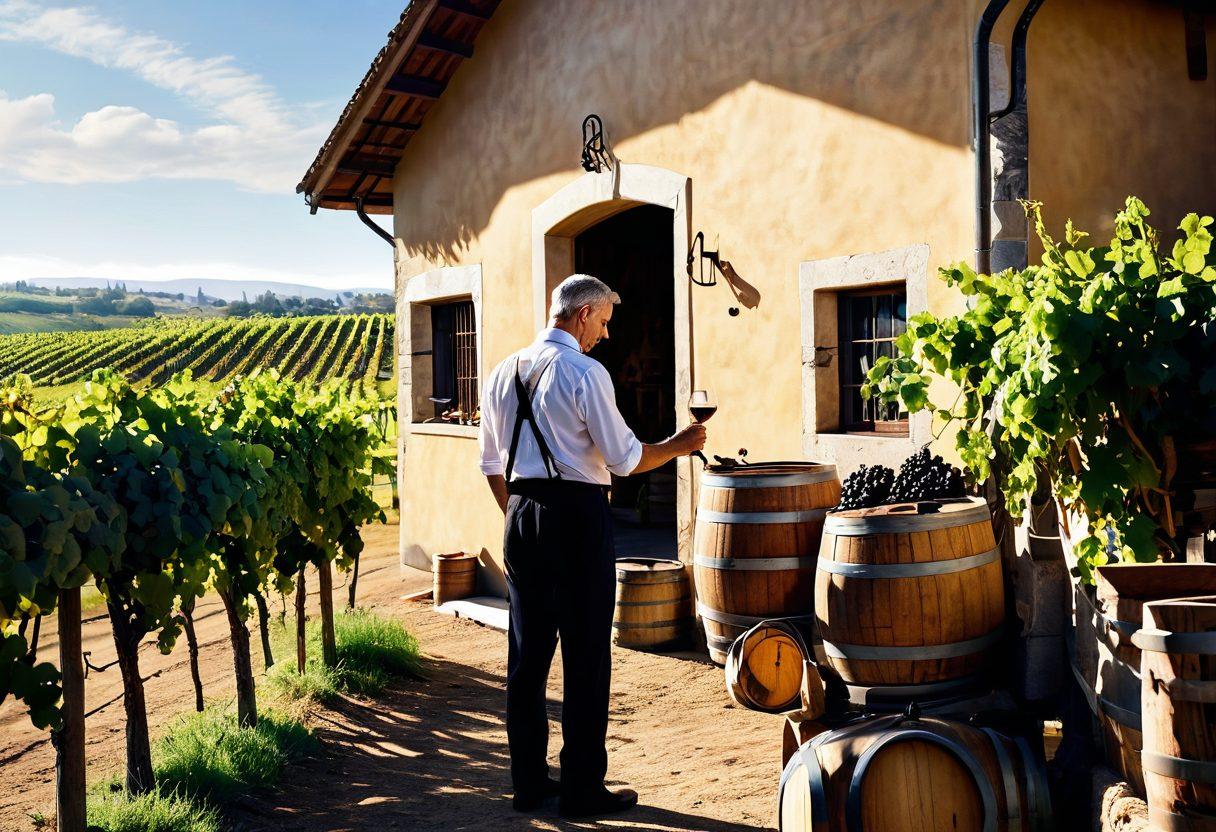
The art of winemaking is indeed a labor of love. It begins with meticulous farming; passionate vintners often approach their vines as if they were family. Practices such as organic farming and biodynamic methods are on the rise, producing grapes that tell a vivid story upon fermentation. When these grapes undergo the transformation in the winery, each step—crushing, pressing, fermentation in barrel—adds to the complexity of flavors, allowing the vintage to express the terroir. Have you ever experienced the thrill of a vineyard’s harvest season, witnessing the rush of activity as grapes are gathered for your favorite brew?
Let’s not forget the delicate dance of tasting. If you ever find yourself in a wine cellar, the joy doesn’t just come from looking at reminiscent labels; the real pleasure comes when you allow yourself to engage your senses fully. When swirling a glass of vintage vino, consider the ‘nose’—how different aromas compete for attention, revealing layers of fruit, spice, or earthy undertones. When sipping, let the flavors wash over your palate. What lucky notes of flavor do you find? Perhaps hints of berries mingling with vanilla from the oak barrel aging? Each tasting is a reminder that you’re indulging in history—a collection of years, weather patterns, and careful artisan decisions.
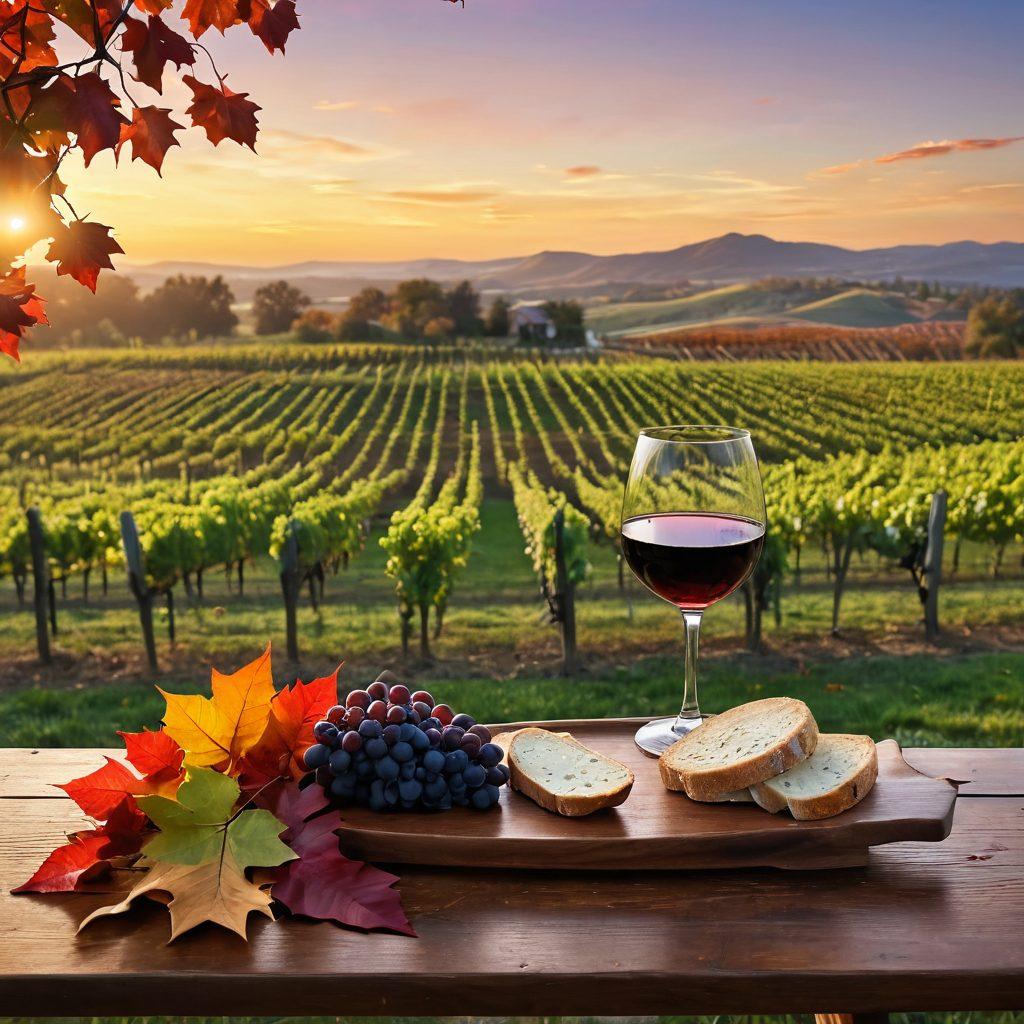
Pairing wine with food is an art itself and a delightful way to experience vintage vino. Whether you’re enjoying a robust malbec with a hearty steak or a crisp chardonnay with seafood, understanding the connection between the food and the wine enhances the richness of both. As you gather your friends for dinner, have fun experimenting with unexpected pairings—perhaps a spicy syrah with dark chocolate or a full-bodied merlot with barbecue. In the end, the craft of winemaking isn’t just about producing fine wines; it’s about sharing the experience, the culture, and the connections created around each bottle. So the next time you uncork a bottle of vintage wine, remember, you hold in your glass a masterpiece born of terroir and artistry.
From Grape to Glass: The Intricate Process of Winemaking Revealed
There’s something undeniably magical about wine – the way it captures a moment in time, the stories it tells through every sip, and the rich history embedded in each bottle. Whether you’re a novice sip-and-saver or a seasoned sommelier, understanding the intricate process of winemaking can deepen your appreciation for vintage vino. From grape to glass, this journey through the art of winemaking reveals the craftsmanship that transforms humble grapes into exquisite bottles of wine that tantalize the palate. Have you ever wondered what goes on behind the scenes at a winery?
The winemaking process begins in the vineyard, where the drama of farming plays out in the form of labor-intensive cultivation and careful nurturing. Each variety of grape, whether it’s the floral notes of chardonnay or the bold character of cabernet, requires specific terroir to thrive. The relationship between the climate, soil, and grape variety is crucial; after all, a merlot from Napa Valley tastes vastly different from one crafted in Bordeaux. As the harvest season rolls in, winemakers race against time to pick the grapes at their peak ripeness, ensuring that every collection embodies the region’s unique characteristics. Isn’t it fascinating how climate and geography influence what’s inside the bottle?
Once the grapes are brought to the winery, the true artisanship of winemaking begins. Crushing and pressing the grapes is just the tip of the iceberg; the magic lies in the fermentation process. Yeast is introduced, feeding on the grape sugars and unleashing rich flavors and aromas that define the wine’s true essence. Each decision, from temperature control to the choice of barrel for aging, dramatically alters the final product. Imagining the interactions between grape and yeast, don’t you find it incredible how these small organisms can create such complex flavors on the palate?
After fermentation, the wine enters its aging phase, where it spends time in barrels or tanks, transforming into the vintage you’ll eventually savor. During this time, flavors deepen and evolve, allowing the wine to acquire nuances that delight the senses. Tasting is an essential skill for anyone wanting to become familiar with the layers of a wine, from the first impression on the nose to the lingering finish on the palate. The world of wine is a rich tapestry of experiences; have you ever been caught in a moment where the perfect pairing of cheese and syrah elevated your dining experience?
Finally, after months or even years of patience, the wine is bottled, a culmination of a journey that began with careful grape farming and expert craftsmanship. Whether it’s a robust malbec destined for a cozy gathering or a delicate chardonnay ready to impress at a fine dining experience, each bottle tells a story. As you uncork your next vino, take a moment to appreciate the intricate process of winemaking – from grape to glass, the journey is as captivating as the flavors it produces. So, next time you indulge in a tasting or skilfully pair your wine with the perfect dish, ask yourself: what hidden secrets does this vintage hold?
Savoring the Past: Tasting Notes and Pairing Secrets of Artisan Wines
As we embark on the journey of savoring the past, one cannot help but feel a sense of nostalgia when coming across a bottle labeled with a vintage year. It's like uncovering a treasure map, leading you back through the stories woven into the grapes that once thrived in the vineyard. Imagine sitting in a rustic cellar, bottles lining the walls, each holding a unique narrative waiting to be tasted. Vintage wines are not just beverages; they are the heart and soul of winemaking, a testament to the artisan skills of generations of winemakers who poured their love, labor, and artistry into each bottle. What tales lie in those vineyards, and how do we bring those stories to life with each sip?
When it comes to tasting artisan wines, whether it’s a bold cabernet or an elegant chardonnay, every aspect plays a role in your experience. Picture this: you raise the glass to your nose, taking in the bouquet—the aromas that waft up to greet you, enticing your senses. This is what the wine connoisseurs call 'nose'. Swirling the wine brings forth more aromatic notes, offering you a sensory prelude to what’s about to dance on your palate. But how do we define what’s delightful and what’s, shall we say, a bit less palatable? Understanding the structure, the tannins, the acidity, and the balance of flavors leads to a richer tasting experience. You might ask yourself, how does one become a true sommelier, or enthusiast if you will, of these vintage treasures?
Next comes the palate, where the real magic happens. Your taste buds awaken as the wine rolls over your tongue, revealing its secrets. Is it fruity and lush or dry and earthy? Maybe it's a crisp syrah bursting with berry notes or a sophisticated merlot with layers of chocolate and oak. The fermentation process plays a pivotal role here, defining the essence and character of the wine. But did you know that the terroir—the unique characteristics of the vineyard's region—significantly influences the flavor? Next time you indulge in a glass, pause and consider the soil, climate, and cultivation methods that shaped your wine. Could the land whisper its secrets to you through each sip?
Pairing wine with food is an art form in itself. To truly elevate your dining experience, you must consider the intricate dance between the flavors of the wine and the dish. For instance, a rich malbec complements a hearty roast, while a crisp chardonnay sings alongside a fresh seafood platter. But pairing isn’t just about the standard rules; it’s about playing with your palate. How can you experiment beyond the bottle’s label? Perhaps try a fascinating brew of unexpected pairings—charcuterie with a rich cabernet or spicy cuisine with a sweet riesling. The possibilities are endless! Each pairing can transport you to a new culinary adventure. How exciting to think about the journeys that await us through each bottle of artisan wine.
As you delve deeper into your own collection, don’t shy away from exploring lesser-known regions or bagging a cru that piques your curiosity. Discover the art of farming, the meticulous care given during harvest, and the craftsmanship behind barrel aging. Each bottle you uncork becomes a celebration of history, dedication, and artisan craftsmanship. Consider starting your own tasting notes—your impressions, memories, and food pairings might just inspire the next great wine lover’s tale. Remember, tasting wine is not merely a sensory evaluation; it's a journey through time and space—a connection with the essence of winemaking itself. So, go forth, explore, and savor the tales that vintage vino has to offer!